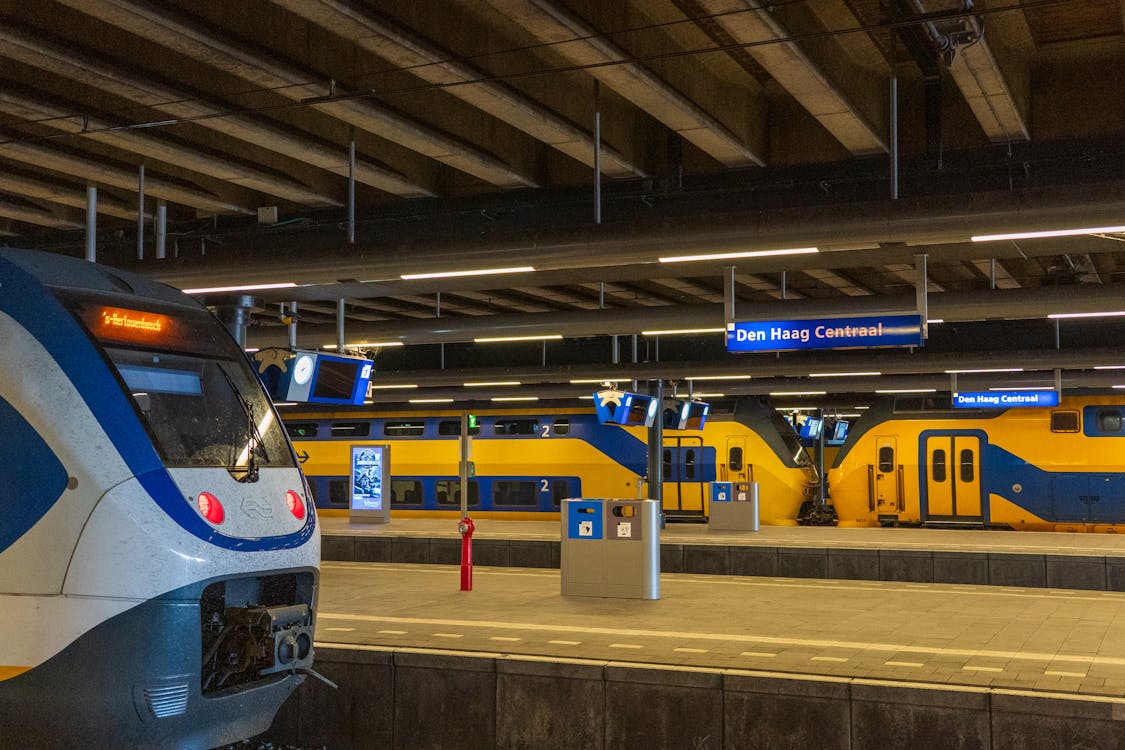
Urban transport has always been an obstacle. Between expanding populations, restricted infrastructure, and the climbing demand for ease, cities are continuously looking for methods to boost exactly how individuals and vehicles move. Go into expert system. Once seen as a remote concept scheduled for sci-fi, AI is now at the core of several of one of the most interesting changes in modern-day city life. And it's not practically self-driving vehicles-- it's regarding smarter systems, much safer roads, and much better planning for everybody that shares the roadway.
From Reactive to Predictive: The New Urban Mindset
Cities made use of to run reactively. A traffic signal malfunctions? Somebody repairs it. Does a bus course come to be jammed? Planners modified it months later. However with AI, this timeline has flipped. Sensors put at intersections, transit centers, and busy streets feed real-time data right into AI-powered systems that can not just respond promptly but likewise predict what's following.
Visualize a system that understands when and where blockage will develop before it even takes place. That's no more a fantasy. By evaluating patterns in time, like pedestrian traffic, weather conditions, and event timetables, AI designs assist cities prevent traffic jams as opposed to just responding to them.
Smarter Traffic Signals and Intersection Management
Among the most recognizable enhancements AI has brought to city transportation remains in the method traffic lights run. Conventional signal systems work on timers or basic sensors. Yet AI can evaluate real-time footage, find car quantity, and adapt light cycles on the fly. This change reduces unnecessary idling, boosts fuel performance, and-- perhaps most notably-- shortens commute times.
Some cities have started to pair AI-powered cameras with traffic signal to detect not just cars, but pedestrians and bikers too. This enables signals to readjust for prone roadway customers, improving safety and security without slowing down general web traffic circulation.
Public Transit Gets a High-Tech Upgrade
Buses and trains are vital lifelines in many cities. Yet delays, path inadequacies, and upkeep issues frequently discourage riders. That's starting to change with the help of AI.
Transit agencies are now using predictive analytics to manage fleets better. If a bus is running behind schedule, AI can recommend route changes, alternate pick-up factors, or perhaps reassign lorries in real-time. Upkeep is additionally a lot more positive; AI determines early warning signs prior to components stop working, which keeps cars on the road and riders on schedule.
When public transportation corresponds and trustworthy, even more individuals utilize it. And when more individuals utilize public transit, cities become greener, much less busy, and simpler to browse.
Redefining Parking with Smart Systems
Discovering a car park area in a city can be the most aggravating part of driving. It's taxing, stressful, and usually ineffective. But AI is currently changing the method cities handle auto parking administration.
Cameras and sensors mounted in parking lots and garages track readily available spaces and send out updates to central systems. Chauffeurs can after that be directed to open up places through navigating applications or in-car systems, reducing the time they invest circling around the block. In turn, this cuts discharges and makes city roads much less crowded.
Some AI systems are even efficient in vibrant rates, adjusting auto parking costs based upon demand in real time. This dissuades overuse in jampacked areas and urges turnover, giving everybody a fairer chance at discovering a room.
In largely booming areas where space is limited, specialized services like boat storage in Philadelphia and devoted Philadelphia car storage options are coming to be more valuable than ever before. AI can help handle these facilities, making sure optimal use and boosting safety and security via smart monitoring systems that detect uneven task.
The Rise of Autonomous Vehicles and Ridesharing Intelligence
While self-driving automobiles might not yet control the roadways, they're certainly affecting the instructions of urban transportation. AI is the foundation of autonomous car technology, handling whatever from navigating to barrier discovery and response time.
But even before full freedom holds, AI is currently changing ridesharing solutions. Formulas aid set guests extra efficiently, decrease wait times, and suggest calculated areas for motorists to wait in between fares. Gradually, these understandings will help reduce traffic congestion and improve vehicle occupancy prices throughout cities.
There's additionally been a rise in AI-enhanced mini wheelchair choices like scooters and bike shares. These services are managed by AI systems that track use patterns, forecast high-demand locations, and even spot maintenance demands immediately.
Planning the Future: AI and Urban Design
City planners currently have an effective new ally in artificial intelligence. With accessibility to massive datasets-- whatever from this page commuter behaviors to air top quality levels-- AI devices can model the impact of framework modifications before they're also made. This means far better decisions about where to position bike lanes, how to boost bus paths, or whether to construct new bridges and passages.
Urban designers can additionally utilize AI to design the impact of brand-new zoning laws or household growth on transport systems. This leads to smarter growth that supports motion as opposed to overwhelming it.
In position with dense advancement and minimal real estate, wise remedies like vehicle storage in Philadelphia are proving to be critical aspects in long-term preparation. AI can streamline area allocation, track use fads, and assist make storage formats that take full advantage of capability while minimizing impact.
Safer Streets Through Real-Time Intelligence
AI is not almost rate and efficiency-- it's likewise concerning safety. From determining speeding lorries in real time to predicting accident-prone zones, AI is assisting make roads more secure for every person.
Smart surveillance systems powered by machine learning can find dangerous behavior, such as illegal turns, running red lights, or jaywalking. These systems don't just function as deterrents; they produce information that cities can make use of to educate future safety and security campaigns.
AI is additionally helping first responders get to emergency situations much faster. Real-time website traffic evaluation can lead rescues along the quickest course, also throughout rush hour. And when seconds count, those time savings can be life-altering.
A More Connected and Adaptable Transportation Future
The actual power of AI in city transport depends on its capability to adapt. As cities evolve, AI advances with them. Whether it's replying to an unexpected surge in traffic after a sports occasion, anticipating flooding on major roadways, or taking care of a spike in seasonal traveling, AI is there, constantly finding out and changing.
By weaving AI into the textile of transport systems, cities are becoming extra smart, more receptive, and much more user-friendly. These adjustments may not constantly be visible to the day-to-day commuter, yet the benefits-- much shorter trips, more secure streets, and a lot more reputable transportation-- are felt each and every single day.
For those navigating city life today and looking toward the future, it's clear that expert system is no more just helping with transport-- it's redefining exactly how our cities relocate.
Ensure to adhere to the blog for more understandings right into how innovation is forming urban life, and inspect back regularly to stay ahead of the contour.